

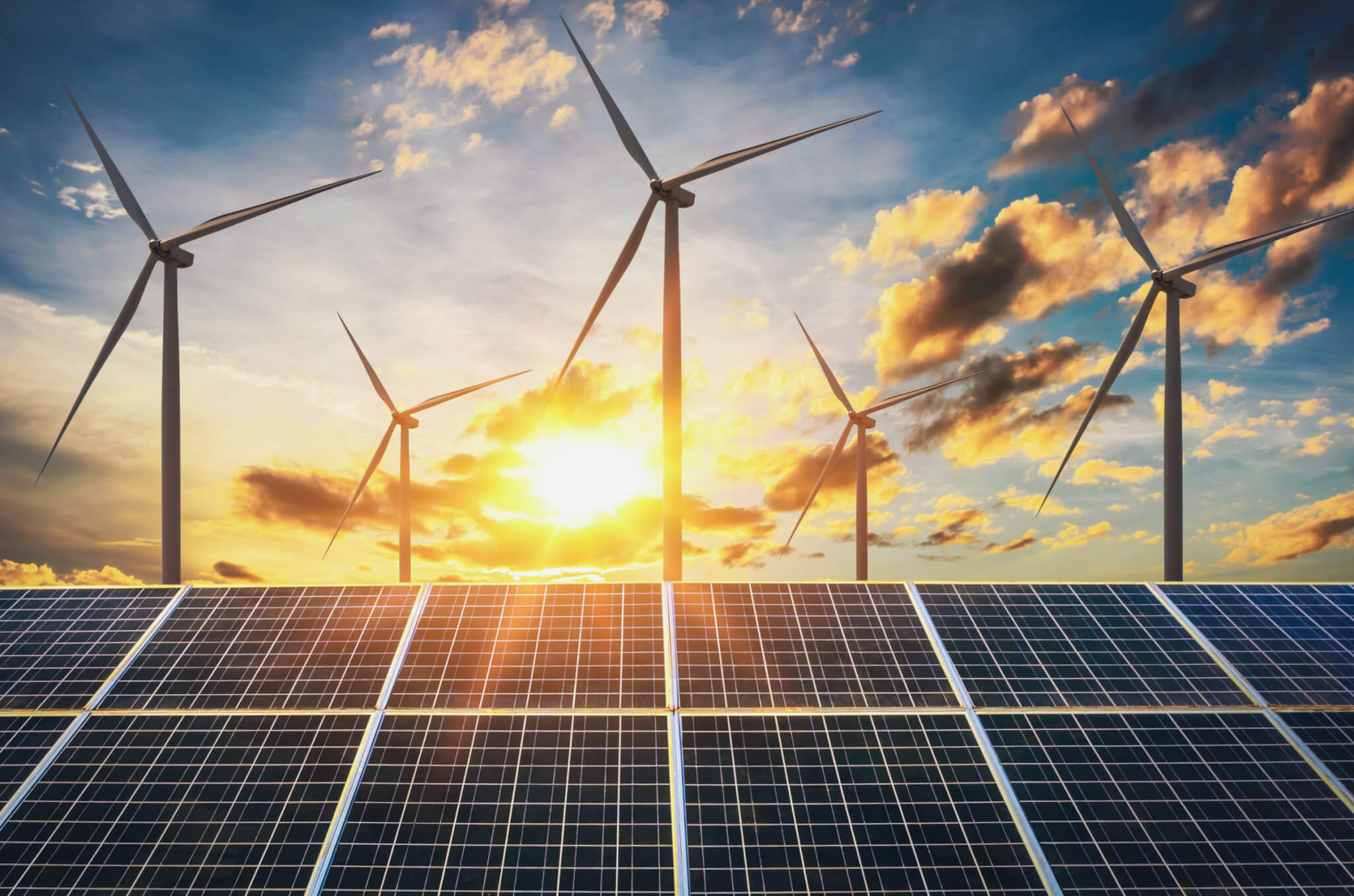
Hibridiniai vėjo ir saulės parkai skinasi kelią Lietuvoje: kas jie ir kuo pranašesni?
Sparčiai augant atsinaujinančios energetikos poreikiui ir įsibėgėjant plėtrai, garsiau kalbama apie hibridinius vėjo ir saulės elektrinių parkus, kai į vieną prijungimo prie elektros tinklo vietą jungiami keli skirtingų atsinaujinančių energijos išteklių technologijų įrenginiai. Europoje hibridiniai parkai statomi vis aktyviau, o šiuo metu tai jau vyksta ir Lietuvoje. Kada parkas laikomas hibridiniu ir kokie yra tokio parko pranašumai, pasakoja vėjo energetikos ekspertai. „Hibridiniai vėjo ir saulės parkai labiausiai vertinami dėl keleto priežasčių. Pirma, jie leidžia padidinti gaminamos elektros energijos kiekį. Antra, efektyviau išnaudojama jau turima elektros tinklų infrastruktūra ir pralaidumai. Trečia, į elektros tinklus tiekiamas tolygesnis elektros energijos kiekis. Ketvirta, mažėja kaštai vystytojams, o kartu ir elektros kaina galutiniams vartotojams“, – vardina l. e. p. Lietuvos vėjo elektrinių asociacijos (LVEA) vadovas Edgaras Maladauskas.
Nuo 2016 m., kai Jungtinėje Karalystėje buvo įrengtas pirmasis hibridinis vėjo ir saulės parkas, Europoje buvo pastatyta šimtai megavatų (MW) galios hibridinių parkų. Dažniausiai hibridiniai parkai kuriami šalia jau veikiančių vėjo elektrinių papildomai prijungiant naujai įrengiamas saulės elektrines ir tam tikrais atvejais baterijas. Tarptautinės žaliosios energetikos bendrovės „Ignitis Renewables“ plėtojamas pirmasis Lietuvoje hibridinis parkas turėtų pradėti veikti iki 2024 m. Šalia jau dešimtmetį veikiančio vėjo jėgainių parko Tauragės r. bus įrengtas 22 MW galios saulės elektrinių parkas. „Sujungus kelias atsinaujinančių išteklių technologijas į vieną prijungimo tašką pasiekiamas didesnis elektros perdavimo tinklo panaudojimo efektyvumas dėl skirtingų technologijų elektros gamybos ne vienalaikiškumo: įprastai saulės jėgainės daugiausiai elektros energijos gamina pavasarį bei vasarą dienos metu, o vėjo – rudens ir žiemos periodu, t. y. tuomet, kai saulės elektrinės gamina mažiau“, – pasakoja „Ignitis Renewables“ Atsinaujinančios energetikos vadovas Lietuvai Giedrius Meškelė. Pasak jo, hibridinio parko apibrėžimas reiškia, kad į vieną elektros perdavimo ar skirstymo tinklo pajungimo vietą jungiami keli atsinaujinančios energijos išteklių gamybos ar kaupimo įrenginiai, t. y. vėjo ir saulės elektrinės, kurios dar gali būti kombinuojamos su elektros energijos kaupimo įrenginiais – baterijomis.
„Tinklo pralaidumo klausimas itin aktualus tapo pastaruoju metu, kai per gana trumpą laikotarpį buvo pateiktas didelis tinklo rezervacijų kiekis naujiems vėjo ar saulės elektrinių parkams vystyti. Tuo tarpu hibridiniai vėjo ir saulės parkai šią problemą iš dalies išsprendžia, leisdami efektyviau panaudoti turimą prisijungimą prie elektros tinklo ir tokiu būdu tolygiau išnaudojant tinklo pralaidumą, nes saulės ir vėjo jėgainės didžiąją laiko dalį generuoja elektrą skirtingu metu. Be to, tais nedažnais atvejais, kai vėjo ir saulės elektros energijos gamyba sutampa ir viršija nustatytą elektros perdavimo tinklo pralaidumą, tam tikrais atvejais vystytojams gali būti ekonomiškai pagrįsta hibridinį parką papildyti baterijomis, kurios padėtų balansuoti elektros atidavimo į tinklą laiką, tokiu būdu neprarandant dalies pagamintos elektros energijos ir papildomai neperkraunant elektros tinklo“, – aiškina G. Meškelė. Giedrius Meškelė
Skaičiuojama, kad pirmojo Lietuvoje įrengto hibridinio parko galios pakaks aprūpinti elektra apie 13 tūkst. šalies namų ūkių. Pašnekovo nuomone, sujungus vėją ir saulę bus pasiektas ne tik didesnis elektros tinklo panaudojimo efektyvumas, bet ir žemesnė parko įrengimo savikaina, palyginus su atvejais, kai įrenginėjamos atskiros skirtingų technologijų elektrinės. „Investicijos į hibridinio vėjo ir saulės parko įrengimą yra mažesnės, nes panaudojama dalis tos pačios infrastruktūros, reikia įrengti mažiau kabelių, transformatorių“, – vardija „Ignitis Renewables“ atstovas.
Pasak LVEA l. e. p. direktoriaus Edgaro Maladausko, hibridiniai vėjo ir saulės parkai padėtų vystytojams išspręsti ir šiuo metu kylančius iššūkius dėl laisvų žemės plotų atsinaujinančiai energetikai šalyje plėtoti. „Vėjo ir saulės jėgainių įrengimas vienoje vietoje padeda maksimaliai įdarbinti jau užimamą žemės plotą ir tinklo pajėgumus. Ten, kur jau veikia vėjo elektrinės, įprastai turime žemės ūkio sklypus, tačiau dalis jų tikrai galėtų būti panaudoti saulės jėgainėms įrengti neužimant papildomų teritorijų“, – sako jis. LVEA vadovo nuomone, svarbu suprasti, kad siekiant Lietuvos atsinaujinančios energetikos tikslų negalima priešinti vėjo ir saulės energetikos – tai yra vienas kitą sėkmingai papildantys atsinaujinantys ištekliai.
„Hibridinių parkų tik daugės, nes poreikiai atsinaujinančiai energetikai auga geometrine progresija. Tai lemia ne vien geopolitinė situacija dėl Rusijos karo Ukrainoje, bet ir augantis elektros energijos vartojimas. Įgyvendinę kuo daugiau vėjo ir saulės energetikos projektų užsitikrintume ne vien energetinę nepriklausomybę, bet ir patenkintume vidaus vartojimo poreikius, taip pat galėtume kalbėti apie mažesnes elektros energijos kainas. Kitas žingsnis būtų atsinaujinančios energetikos eksportas – tam Lietuva taip pat turi daug potencialo“, – įsitikinęs E. Maladauskas.